



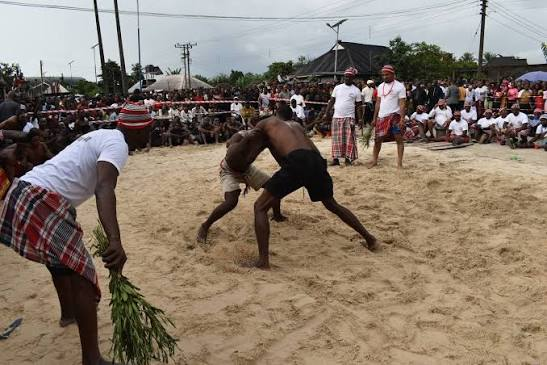
The roar of the crowd, the dust of the arena, the clash of bodies — these powerful scenes played out in Nigeria’s villages for centuries, long before modern sports captured global attention. Far more than mere contests of strength, Nigeria’s ancient wrestling festivals were intricate performances, rites of passage, and vital cultural expressions that forged community bonds and defined identity.
They weren’t just about winning; they were about honor, prestige, and the enduring connection between physical prowess and spiritual purpose. This rich legacy, rooted deep in history, continues to resonate, shaping contemporary cultural preservation efforts and even influencing modern athletic pathways.
Tradition, honor, and community bonds in Nigeria’s wrestling festivals
Across Nigeria’s diverse ethnic groups, ancient wrestling festivals were never just simple athletic events. They functioned as grand community gatherings, deeply embedded with purpose and profound social significance. These vibrant occasions provided crucial entertainment and fostered strong ties between neighboring villages.
Wrestling offered young men a powerful platform to display their strength, honor, and social prestige. It often symbolized a pivotal journey from boyhood to manhood, showcasing a young man’s ability to protect and provide for his family. Such displays reinforced the physical endurance essential for agricultural and communal life.
Spiritual roots and communal celebration
These festivals frequently coincided with important seasonal events, such as harvest seasons or other cultural celebrations. Wrestlers themselves were often revered figures, earning immense respect and, in some instances, even the hand of a bride. Success in the wrestling arena could elevate a man to significant fame and social standing.
The events were also deeply intertwined with spiritual beliefs and rituals. Wrestlers would often participate in traditional ceremonies and prayers before matches, seeking divine favor and protection. This spiritual dimension transformed each bout into a sacred act, giving it meaning beyond physical competition.
The art of the throw: rules and techniques
The sporting essence of these festivals focused on the art of the throw. Victory usually came from pinning an opponent’s back to the ground in the sand. Rules generally emphasized balance and leverage, prioritizing skill and technique over brute force or striking.
Strikes, punching, or intentional injury were strictly forbidden. Matches were intense, often short, and dramatic, testing a wrestler’s endurance, agility, and strength. Contestants typically trained in natural settings and competed barefoot and bare-chested, often wearing traditional loincloths.
Igbo Mgba: bravery and identity in southeastern Nigeria
Among the Igbo people of Southeastern Nigeria, traditional wrestling is known as “Mgba” or “Igba Ije.” For centuries, Mgba has been a vital social institution, providing a platform for young men to demonstrate bravery, skill, and discipline. It remains a key part of youth or age-grade culture in many Igbo communities.
Mgba’s historical significance predates the colonial period, its importance immortalized in literature like Chinua Achebe’s classic novel Things Fall Apart. Achebe’s portrayal of legendary victories, such as Okonkwo’s triumph over “Amalinze the Cat,” illustrates how the sport helped define identity and achievement in traditional Igbo society.
Mgba’s enduring cultural presence
Mgba festivals are celebrated throughout Igboland, with notable examples in Nnewi, Anambra State, and Nsukka, Enugu State. These events often align with Eke and Afor market days, or as part of the annual New Yam Festival (Iwa Ji). Wrestlers perform ceremonies and prayers, sometimes making sacrifices to gods for success.
The rules of Mgba included a general form and ebenebe, which specifically incorporated ankle picks. Victory was achieved by executing a recognized fall, throwing the opponent firmly to the ground. Today, groups like Ezumezu Igbonine Gburugburu actively organize traditional wrestling festivals to protect this heritage and inspire new generations.
Hausa Kokawa: strength and spectacle in the Sahel
In Northern Nigeria, particularly among the Hausa-Fulani people, traditional wrestling is known as “Kokawa.” This popular sport spans the Sahel region, with wrestlers representing their respective villages or emirates. Kokawa emphasizes both strength and skill, with traditional chiefs often presiding as judges.
These contests are widely practiced during rural festivals, including the famous Durbar celebrations and post-harvest gatherings. They can occur during the day on sandy surfaces or as part of moonlight-night sports plays, attracting large, enthusiastic crowds and creating an electric atmosphere.
Praise, prizes, and modern revival
The objective in Kokawa is to throw the opponent to the ground, ensuring their back, shoulder, or any part of the body (excluding the feet) touches the earth. Like Mgba, punching or kicking is strictly forbidden. Pre-match rituals are integral, featuring drumming, dancing, and invocations of ancestral blessings.
Cultural elements such as opening prayers (fatiah), praise poems (take), self-praise poems (kirari), and formal salutations (gaysuwa) are all part of the spectacle.
Recent competitions demonstrate its continued relevance: in Niger, a contest held from July 10-12, 2026, saw Bello Illa win a trophy and one million CFA francs ($1,750), while runner-up Maty Souley Gouga received $1,308. This highlights cultural initiatives that reimagine ancient traditions for modern audiences.
Yoruba Gidigbo: warrior spirit and Olympic dreams
Southwest Nigeria knows its traditional wrestling as “Gidigbo” or “Ijakadi” among the Yoruba people. The name “Gidigbo” itself, meaning “let’s fight,” speaks to the directness of the contest. “Aki,” or bravery, and “Akin,” a brave man, further underscore the virtues championed by the sport.
Gidigbo matches are often performed in honor of Ogun, the deity of iron and war, linking the physical contest to spiritual discipline. This connection is amplified by its association with Ifa, the divination system. The contest concludes when a participant’s back or knees touch the ground, accompanied by rhythmic drumming.
From spiritual discipline to athletic excellence
While the spiritual elements, including the use of medicines and magic, aren’t always publicly condoned, they remain a part of Gidigbo in some contexts. Some students of Gidigbo are initiated into the Orisa Agemo, serving as bodyguards to the village Oba (king). This ancient practice continues to be a source of pride and identity.
The skills honed in Gidigbo are still tested at festivals and informal contests. Many Nigerian Olympic wrestlers have their roots in traditional styles like Gidigbo, demonstrating its powerful influence. This deep cultural foundation provided a stepping stone to modern athletic achievements, proving the enduring legacy of traditional combat sports and how cultural safety can be a pathway to success and recognition.
Beyond the mat: Nigeria’s living history
Nigeria’s ancient wrestling festivals, from the strategic throws of Igbo Mgba to the powerful spectacles of Hausa Kokawa and the spiritual battles of Yoruba Gidigbo, represent a rich history of human endeavor. They were not merely physical contests but comprehensive social institutions that nurtured young men, solidified community bonds, and expressed profound spiritual beliefs.
Each festival, distinct in its regional flavor, shared a common thread: the elevation of physical prowess as a virtue tied deeply to cultural identity and survival.
We see this commitment to heritage in festivals like the Vunon Wrestling Festival of the Bwatiye people in Adamawa State, and among the Ijaw, where wrestling plays a pivotal role in communal recreation. These traditions are living narratives, not just stories from a distant past.
The legacy of these wrestling traditions is clear in their continued preservation, in the communal celebrations they still inspire, and in the foundation they lay for modern athletes. Today, as contemporary Nigerian sports stars rise on global stages, they carry with them the echo of those ancient arenas, where honor was won not just with strength, but with soul.
From the sandy pits of Mgba to the Durbar fields of Kokawa, these ancient contests echo a profound truth: the past is never truly gone. It breathes in the traditions we uphold, the values we cherish, and the stories we tell.
And in Nigeria, the powerful grip of its wrestling heritage reminds us that who we were then, fundamentally shapes who we are now, and who we are yet to become.
