



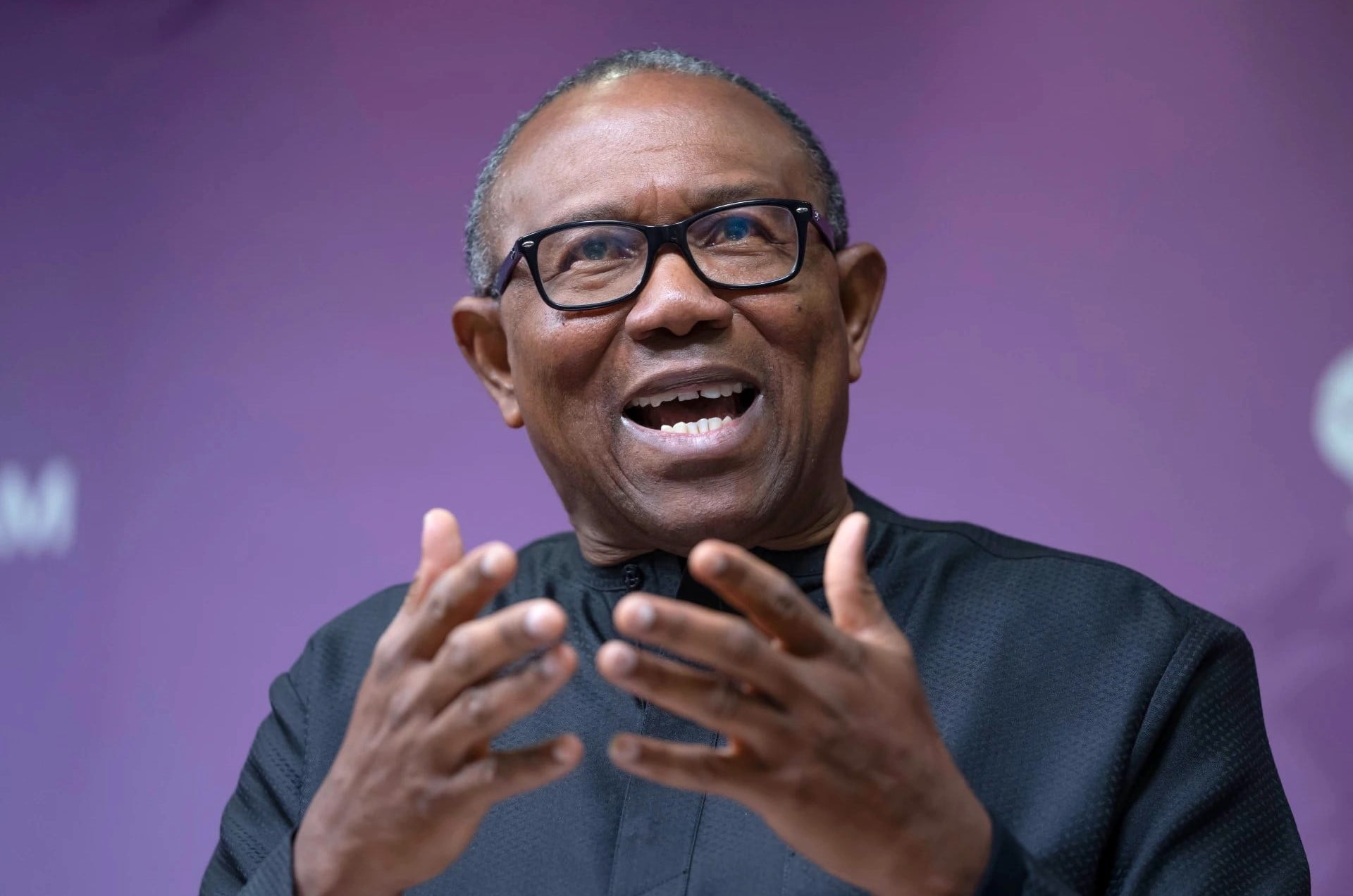
Presidential candidate Peter Obi champions increased funding for schools and hospitals, pledging millions to bolster Nigeria’s human capital on his 65th birthday, Sunday, July 19, 2026.
Obi’s actions underscored a core tenet of his political philosophy: that sustained investment in education and healthcare serves as the bedrock for national development. This move comes just days after he unveiled the second phase of his policy blueprint for a “New Nigeria,” which positions these sectors at its very heart.
A lifetime of conviction for Nigeria’s future
Peter Obi used his 65th birthday as a platform for deeper reflection, viewing such milestones as opportunities for service rather than personal indulgence. He explained his consistent commitment to investing in schools and hospitals, calling them crucial for improving lives across the nation. For him, these are the “twin pillars upon which successful societies are built,” essential for economic transformation.
His visit to St. Raphael’s Hospital was more than a ceremonial appearance. It served as a practical expression of gratitude and humanitarian commitment. Obi intends to spend the rest of July 2026 visiting other institutions, planning further donations to cement his vision.
More than just charity, it’s an investment
During his visit, Peter Obi articulated a clear philosophy: “A hospital preserves life; a school shapes the future.” He sees supporting both not merely as an act of charity, but as a critical investment in the nation’s humanity and its trajectory. His sentiments echoed the conviction that true leadership involves caring for all people, especially the most vulnerable.
This approach isn’t new for the former Anambra State governor. He has consistently urged friends and associates to redirect celebratory resources towards projects that offer lasting societal benefits. This principle has previously led to significant contributions, including ₦15 million to the School of Nursing Sciences, Emekuku, Imo State, in late June 2026.
Before that, in July 2024, he donated ₦10 million to Grimard College of Nursing Sciences in Anyigba, Kogi State. These actions highlight a pattern of sustained personal commitment. He believes investing in education directly counters the social conditions that fuel insecurity and criminality.
Echoes of past visions in nation-building
Peter Obi’s fervent advocacy for education and healthcare resonates with foundational moments in Nigeria’s history. Early post-independence leaders understood that human capital was the true wealth of a nation. Think of the ambitious free primary education programs championed by Chief Obafemi Awolowo in the Western Region during the 1950s; these aimed to create an educated populace ready for nation-building.
Similarly, strides were made in public health, establishing clinics and hospitals to combat endemic diseases. These initiatives, though often hampered by political instability and economic shifts, laid crucial groundwork. They underline a recurring national aspiration: that a healthy, educated citizenry is indispensable for progress and self-reliance.
Singapore, China, and the blueprints for prosperity
Obi often points to global success stories, citing Nobel Prize-winning economist Angus Deaton’s work on health, wealth, and inequality. He frequently references Singapore’s transformative education reforms and China’s economic ascent under Deng Xiaoping. These examples, he says, show how strategic investment in human development can propel nations from poverty to prosperity.
These international comparisons aren’t just academic; they offer a tangible roadmap for Nigeria. They suggest that focused, sustained commitment to these “critical sectors” can break cycles of poverty and expand opportunities. The lessons from these nations, Obi contends, are directly applicable to Nigeria’s current challenges.
The current reality: a nation in urgent need
Nigeria today faces significant hurdles in both education and healthcare, making Peter Obi’s message particularly pertinent. Millions of children remain out of school, and existing educational infrastructure often struggles to meet modern demands. The quality of learning outcomes varies drastically, contributing to a workforce ill-equipped for a globally competitive economy.
The healthcare sector also grapples with underfunding, inadequate facilities, and a brain drain of medical professionals. Many Nigerians lack access to basic medical care, and preventable diseases continue to claim too many lives. This dire situation has profound implications for national security and overall societal well-being.
These systemic issues contribute to a pervasive cycle of poverty and fuel social unrest. Obi argues that by systematically investing in these areas, Nigeria can directly tackle the root causes of insecurity and create a more inclusive society. His proposals aim to address the gaps that have widened over decades of neglect.
A political promise or a lasting legacy?
As a prominent presidential candidate, Peter Obi’s consistent focus on human capital is a defining feature of his political identity. He positions this emphasis not just as a campaign promise, but as a fundamental shift in national priorities. This stance often contrasts sharply with traditional political narratives, which might prioritize infrastructure projects over social welfare.
His commitment to tangible donations, even as he campaigns, reinforces his message of practical action. This approach distinguishes him in a political landscape often criticised for abstract promises. His persistent calls for accountability in governance also resonate with many citizens. The Nigerian Presidency has previously rejected Peter Obi’s claims of life threats, highlighting the often-contentious nature of political discourse in the country.
Obi’s policy blueprint suggests a future where functional institutions produce competent professionals. It envisions a Nigeria where investments lift people out of poverty. Such a strategic redirection of resources could profoundly transform the nation, drawing parallels to global examples of economic revival driven by human development.
This requires not just political will, but also robust financial systems, such as a strong Nigerian capital market that can reclaim global confidence.
What comes next for human capital investment
Obi has declared his intention to continue visiting schools and hospitals throughout July 2026, making further donations. This commitment serves to keep his core message alive and demonstrate a sustained personal effort. His actions aim to galvanize broader investment, encouraging both government and donor agencies to prioritize these critical sectors.
The long-term impact of his advocacy will depend on how effectively his vision can translate into concrete policy and sustained national commitment. Nigeria has seen many blueprints for development; the challenge, as always, lies in consistent execution. Obi’s vision demands a fundamental rethinking of how national resources are allocated and managed.
This ongoing campaign highlights a crucial debate about Nigeria’s future. Will the nation embrace a path of genuine human capital development, or will it continue to grapple with the consequences of underinvestment? The answers will shape the lives of millions for generations to come, much like the decisions of past leaders defined their eras.
