



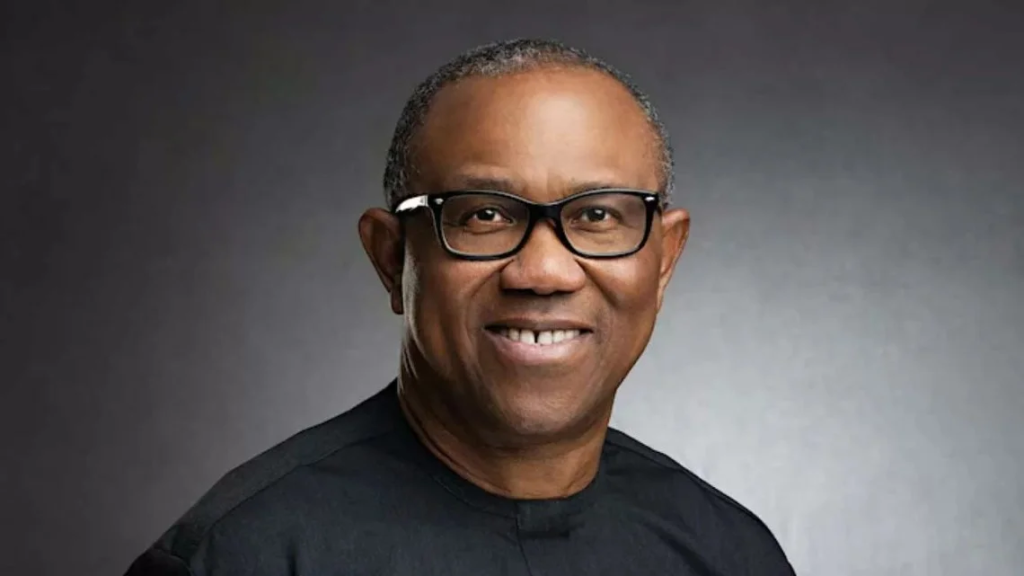
The Nigerian Presidency has officially refuted allegations made by Peter Obi, the 2027 presidential candidate of the Nigeria Democratic Congress (NDC), who claimed his life is under threat and that the federal government is deliberately frustrating his activities. In a statement released on Wednesday night, July 8, 2026, the administration described these claims as a “fabricated narrative” meant to attract sympathy.
Bayo Onanuga, the Special Adviser to the President on Information and Strategy, dismissed the allegations via his official X handle. He asserted that the government has “neither the time nor the inclination to be distracted” by what he termed Mr Obi’s “self-serving narratives and lies.” The exchange highlights a deepening rift as the political cycle for the January 2027 elections begins to intensify.
Nigerian Presidency refutes Peter Obi’s safety concerns
During a podcast interview with Chude Jideonwo, Peter Obi expressed fears that he might not be alive to contest the 2027 election. “The way they are going now I might not be alive,” Obi stated, alleging that the government is deliberately sabotaging “every single thing” he does for a living. He cited a specific incident at an airport where officials reportedly locked his car while ignoring others, and claimed people are being pressured to avoid inviting him to social events.
The Presidency, however, countered that the airport incident was simply a matter of the NDC candidate “flouting parking regulations.” Bayo Onanuga argued that Obi is resorting to “exaggeration and baseless allegations” to mask a “credibility deficit.” ng/dhl-group-projects-full-year-ebit-above-6-5-billion-after-29/”>robust economic reforms implemented by the administration.
APC National Secretary labels claims as hallucination
The ruling party has taken an even harder line against the NDC candidate. Senator Ajibola Basiru, the National Secretary of the All Progressives Congress (APC), dismissed Obi’s allegations of life threats as a “product of hallucination.” He went as far as to suggest that the former governor might require a “psychiatric evaluation,” claiming that Obi has “lost political relevance” and is desperate for public attention.
This rhetoric follows a pattern of heightened friction between the two camps. In the past, the All Progressives Congress faces criticism over its treatment of opposition, previously labeling Obi a “prophet of doom.” The APC maintains that political discourse should be based on governance facts rather than narratives of victimhood.
NDC warns government over candidate protection
The Nigeria Democratic Congress (NDC) has moved to defend its candidate, placing the responsibility for Obi’s safety squarely on the shoulders of the federal authorities. Abdulmumin Abdulsalam, the NDC National Publicity Secretary, described the government’s dismissal as “unacceptable.” He warned that the administration would be held accountable should any harm come to Peter Obi before or during the 2027 electoral cycle.
To underscore their concerns, the NDC pointed to a security incident in Edo State in February 2026. During that visit, gunshots were fired near Obi’s convoy, leading to damaged vehicles. The party argues that the government has failed to provide adequate protection for high-profile opposition leaders, especially as the International Monetary Fund lowers 2026 world economic outlook and local tensions rise.
Previous allegations and the political climate
This isn’t Peter Obi’s first public assertion of safety concerns. In January 2025, after delivering a New Year’s message critical of President Bola Ahmed Tinubu’s administration, Obi claimed on his X social media account that he had received threats against his life, his family, and his associates. At the time, Felix Morka, the National Publicity Secretary of the All Progressives Congress (APC), had retorted by calling Obi “a prophet of doom” and stated that Obi had “crossed the line so many times and has it coming to him whatever he gets.”
Morka later clarified that he wasn’t threatening Obi’s life but stressed accountability for spreading falsehoods.
The repeated surfacing of such allegations from a prominent opposition figure highlights the deeply fraught political climate in Nigeria. With the 2027 presidential election on the horizon, security and political stability are prominent concerns. These developments are unfolding against a backdrop of historical political violence and intolerance, even as the government aims to project an image of steady progress and reform.
The government’s stance on Obi’s claims
President Bola Tinubu’s administration vehemently denies any deliberate targeting or frustration of Peter Obi. Special Adviser Bayo Onanuga painted Obi’s recent statements as part of a familiar pattern of “fabricated narratives” and “baseless allegations” designed to gain public sympathy. The Presidency asserts that its priority is governance and the implementation of crucial economic reforms that benefit all Nigerians, not engaging in political distractions.
Onanuga specifically addressed Obi’s mention of Fidelity Bank. The bank, where Obi reportedly holds a substantial interest, is, according to Onanuga, “thriving due to the Tinubu government’s robust economic reforms.” This suggests the Presidency perceives Obi’s claims as an attempt to undermine public confidence in the administration’s broader efforts, implying a political motive behind his personal grievances.
Historical context of political violence in Nigeria
Nigeria has a documented history of political violence, intimidation, and electoral unrest, particularly in the lead-up to general elections. This background inevitably shapes public perception and intensifies fears when prominent political figures raise concerns about their safety. Past elections have seen violent incidents, including political killings and clashes between rival factions.
For instance, more than 100 people reportedly died in election-related violence during the April-May 2003 general elections. During another period, between November 2006 and March 2007, at least 70 incidents of election-related violence were reported across 20 states, resulting in a death toll of at least 70 people. Assassinations and attempted assassinations of politicians and party officials have also occurred, with at least four assassinations and seven attempted assassinations documented within the same 2006-2007 timeframe.
This pattern of instability underscores why allegations of threats to a presidential candidate are taken so seriously by many citizens, despite official dismissals from the government. Such incidents contribute to a volatile political environment, making the upcoming 2027 polls a period of heightened sensitivity and concern for safety and security.
Implications for the 2027 presidential election
The ongoing verbal sparring between Peter Obi and the Presidency is clearly an early indicator of the intensity expected in the run-up to the January 2027 presidential election. Obi, as the Nigeria Democratic Congress (NDC) candidate, is positioning himself as an opposition voice facing systemic challenges engineered by the incumbent administration. Whether these claims are politically motivated or genuine expressions of fear, they will undoubtedly shape public discourse and could influence voter sentiment.
The Presidency, represented by Bayo Onanuga, views Obi’s declarations as a cynical maneuver for attention and an attempt to deflect from what they term his “credibility deficit.” This firm rejection serves to delegitimize the opposition’s narrative while simultaneously reaffirming the government’s focus on its agenda. The challenge for both sides will be to control the narrative and rally public support as the election draws nearer, with safety and political integrity becoming critical campaign themes.
The outcomes of these exchanges will ultimately affect the public’s trust in the electoral process itself, as seen in past controversial elections. However, with elections still a ways off, the discourse risks becoming a distraction from substantive policy debates.
