



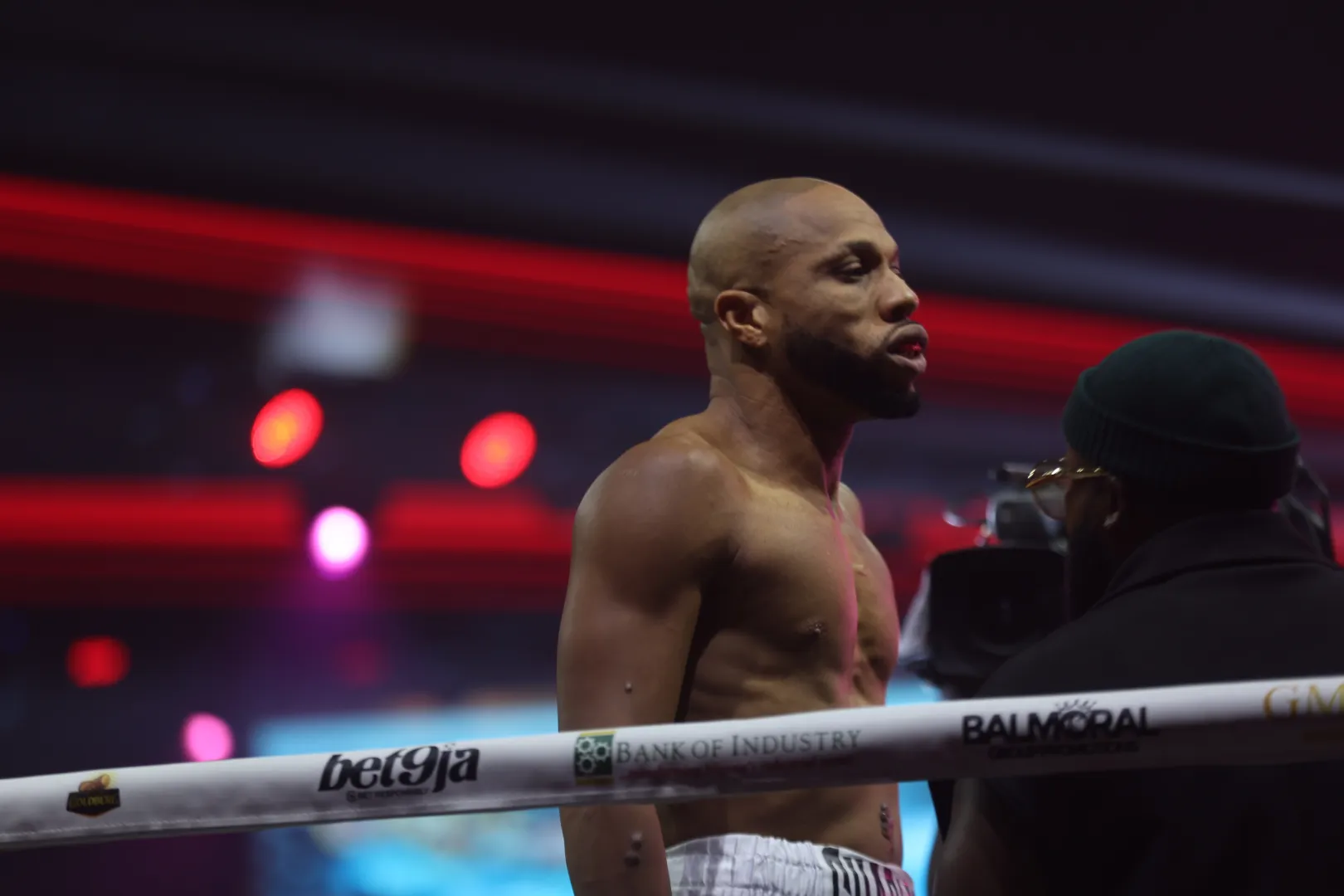
Charles Okocha secured a contentious victory over Portable in a new rumble, marking a significant moment in celebrity boxing. Nollywood actor Charles Okocha had just secured a contentious victory over street-pop singer Habeeb Okikiola, widely known as Portable, in a celebrity boxing rematch.
The fight, held on Friday, July 31, 2026, at the Balmoral Convention Centre in Lagos, saw Portable walk out of the ring after the very first round, handing Okocha a win by disqualification, officially recorded as a unanimous decision.
A rivalry’s dramatic end and a new chapter for Charles Okocha boxing
In the immediate aftermath, Okocha wasted no time setting his sights on his next target: rapper Odumodu Blvck.
This dramatic turn in Nigeria’s burgeoning celebrity boxing scene highlights more than just physical contests; it showcases a vibrant intersection of entertainment, personal brand building, and historical rivalries. The quick call-out by Okocha, a figure increasingly central to this phenomenon, signals how these spectacles feed the public’s desire for drama, creating new narratives that resonate far beyond the ring itself.
The rematch between Charles Okocha and Portable, aptly tagged “Unfinished Business,” aimed to finally settle a bitter feud. Their animosity reportedly began in 2023 over a disputed business deal where Portable accused Okocha of defrauding him of approximately N40 million. This financial grievance spiraled, as often happens in this arena, into a public, physical confrontation.
Their first boxing match in 2023, at Landmark Beach, Victoria Island, ended with Portable victorious after four rounds. But Okocha never truly accepted that outcome, relentlessly demanding a rematch. He felt a deep sense of injustice, fueling his determination to step back into the ring and reclaim his honor.
This drive for vindication propelled the second fight, turning it into more than just a boxing match; it was a quest for personal justice.
Portable’s walkout ignites controversy
The atmosphere at the Balmoral Convention Centre was electric as the two rivals faced each other again. Fans expected a brutal, hard-fought battle to finally determine who was the superior fighter. But the clash took an unexpected turn when Portable, known for his bombastic persona, abruptly walked out of the ring after the opening round, leaving many stunned.
Okocha’s win, while definitive, came under a cloud of controversy due to Portable’s mid-fight exit. Despite the contentious manner of the victory, the official verdict declared Okocha the victor by both disqualification and unanimous decision.
This outcome underscores the blurry lines between sport and spectacle in celebrity boxing, often leaving observers questioning the true measure of dominance. It’s a dynamic that has played out in various sporting contexts, including the intense rivalries seen in Nigerian football history.
The growing spectacle of celebrity boxing Nigeria
The rise of celebrity boxing in Nigeria is far more than a fleeting trend; it’s a strategic expansion of the entertainment industry. Ezekiel Adamu, CEO of The Balmoral Group and promoter of the “Chaos in the Ring” showcase, has steadily grown these events since their inception.
Adamu sees these as crucial platforms to build momentum for combat sports entertainment, attracting diverse fan bases and consistently improving show quality. They’ve successfully tapped into the public’s enduring desire for drama and direct competition.
These celebrity-driven fights serve a dual purpose: they draw massive attention and new audiences to boxing, while also generating substantial revenue. The events act as a gateway, introducing casual viewers to the raw excitement of combat sports.
This commercial success now allows promoters to feature professional contests on the same cards, slowly nurturing a broader appreciation for the sport itself. It’s a shrewd business model that understands audience engagement.
Millions in the ring: the financial draw of the “Chaos in the Ring” event
The financial rewards for participants in Nigerian celebrity boxing have seen a dramatic uplift. What once might have been a small appearance fee of ₦50,000 or ₦100,000 for a celebrity bout has now escalated significantly.
Today, fighters are reportedly earning millions of Naira per event, transforming a novelty into a genuinely lucrative career path for public figures willing to step into the ring. This monetary incentive is a key driver behind the increasing number of celebrities opting for this unusual form of public engagement.
This growth reflects a wider professionalisation of the combat sports entertainment sector in Nigeria. Increased earnings attract more prominent names, which in turn fuels greater audience interest and sponsorship opportunities. The economic impact extends beyond the fighters themselves, creating jobs and opportunities for promoters, trainers, event staff, and media professionals.
It’s a tangible shift in how entertainers can diversify their income streams and build personal brands, much like the changing landscape for Nigerian sports talent on the global stage.
Odumodu Blvck challenge: Okocha’s next move
With his rivalry against Portable seemingly concluded, Charles Okocha swiftly pivoted to his next challenge, announcing his desire to face rapper Odumodu Blvck. “I want to beat the hell out of him,” Okocha reportedly declared, setting the stage for what promises to be another high-profile and emotionally charged showdown.
This quick call-out suggests a calculated move to maintain momentum and stay relevant in the fast-paced world of celebrity spectacles. Okocha understands that in this arena, you’re only as good as your next opponent.
Odumodu Blvck, a popular figure in his own right, represents a fresh challenge with a different fan base. A potential bout between Okocha and Blvck would undoubtedly attract significant attention across social media and traditional news platforms. These types of matchups thrive on the clash of personalities and the crossover appeal they generate.
It provides a new narrative for the audience to follow, ensuring the spotlight remains firmly on the celebrity boxing circuit.
This deliberate crafting of new feuds for public consumption isn’t random; these are carefully considered matchups designed to spark interest and sell tickets. The ability of these personalities to generate buzz and lean into perceived rivalries is paramount.
It transforms potential boxing matches into compelling storylines, drawing in viewers who might not otherwise be traditional boxing fans. It echoes the historical reliance on charismatic figures to capture the public imagination, a trait seen in everything from political movements to iconic athletic achievements across Nigeria.
