



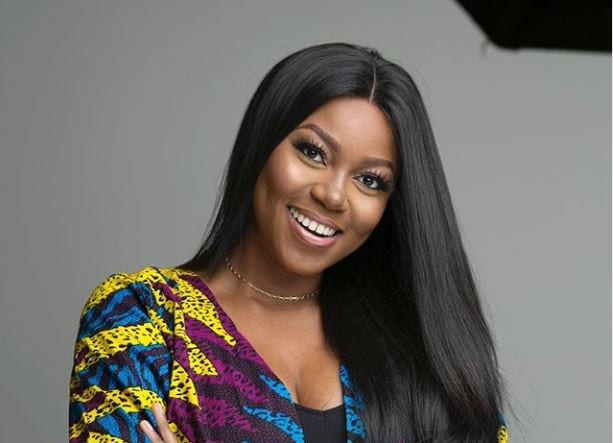
The screen goddess, once the epitome of West African cinematic allure, now commands a different kind of stage. Yvonne Nelson, the Ghanaian actress whose face launched a thousand movie posters, isn’t just an entertainer anymore. She’s a formidable film producer, an outspoken activist, and an astute entrepreneur.
Her journey reflects a broader shift within Africa’s creative industries, where prominent figures are increasingly taking charge of their narratives and building lasting empires. Nelson’s story isn’t about fading away; it’s about a deliberate, powerful transformation that mirrors the continent’s own quest for self-definition and economic agency.
The spotlight shifts for Yvonne Nelson
For years, Yvonne Nelson was synonymous with the vibrant, often melodramatic, storytelling that captivated millions across Africa. She dominated screens in both Ghana and Nigeria, becoming one of the most recognisable faces in the African entertainment industry.
But the roles she plays now extend far beyond the silver screen. Her evolution from celebrated performer to multi-hyphenate mogul offers a compelling lesson in leveraging fame for tangible impact and enduring legacy.
From pageant queen to screen siren
Born on November 12, 1985, in Accra, Ghana, Yvonne Nelson’s initial foray into the public eye was through beauty pageants. Yet, her destiny as a cinematic force was sealed by a chance encounter at a film audition, where she was an observer rather than a participant.
This serendipitous moment quickly propelled her into lead roles. Films like Princess Tyra in 2007 and Playboy in 2008 showcased her raw talent, with Princess Tyra often hailed as the breakthrough that cemented her stardom across the continent.
Ghanaian roots, continental reach
Nelson, whose heritage traces back to the Fante people of Cape Coast, always carried a strong connection to her roots. She balanced early acting aspirations with academic pursuits, earning degrees in Human Resource Management from Zenith University College and Central University.
Her filmography rapidly swelled to over 100 movies. Notable titles such as Heart of Men (2009) and 4Play Reloaded (2010) became staples in countless African homes, establishing her as a versatile and emotive Ghanaian actress.
Her magnetic presence didn’t stay confined to Ghana for long. Nigeria’s sprawling Nollywood industry beckoned, and Nelson seamlessly navigated both film worlds. This cross-border appeal made her one of the most in-demand actresses of her generation.
A producer’s vision and an activist’s voice
Nelson wasn’t content to merely be a hired hand in front of the camera. She launched YN Productions in 2011, making her debut as a film producer with The Price that same year. It was a strategic move, allowing her to control narratives and create opportunities.
She famously used the proceeds from her Nigerian film roles to bankroll her Ghanaian productions. This included acclaimed works like Single and Married (2012) and House of Gold (2013), the latter winning Best Picture at the Ghana Movie Awards and Best Ghanaian Movie at the 2013 City People Entertainment Awards.
Standing up for Ghana’s future
Beyond the glamour of filmmaking, Nelson showed a fierce commitment to social issues. In 2010, she established the Yvonne Nelson Glaucoma Foundation, dedicated to raising awareness about the disease that silently claims sight.
Her activism peaked with the #DumsorMustStop vigil on May 16, 2015. This peaceful protest against Ghana’s persistent energy crisis galvanized public frustration and forced a national conversation, reminding everyone that celebrities can also be citizens with potent voices.
Navigating love and public scrutiny
Yvonne Nelson’s personal life, particularly her romantic entanglements, has often played out under the harsh glare of public scrutiny. She chronicled much of it with raw honesty in her memoir, I Am Not Yvonne Nelson, offering a rare glimpse into the pressures faced by African celebrities.
Her relationship with Nigerian Afropop star Iyanya was, by her account, a “perfect love story,” marked by public declarations like his “YN” tattoo. Yet, it ended amidst allegations of infidelity, a common narrative that often shadows relationships in the limelight.
Personal reflections and a changed worldview
Later, Nelson welcomed her daughter, Ryn Roberts, on October 29, 2017, with British photographer Jamie Roberts. The private pregnancy and public announcement on the cover of WOW Magazine highlighted her desire to manage her personal narrative.
However, the relationship with Roberts dissolved after an “explosive” email from his Nigerian ex-wife, an incident Nelson believes was designed to sabotage their union. This experience profoundly altered her perspective on marriage, leading her to favour partnership over traditional contractual agreements.
This candidness resonates deeply with many young Africans navigating modern relationships amidst traditional expectations. It speaks to the ongoing challenge of maintaining authenticity and personal peace in a hyper-connected world.
Building beyond the screen: entrepreneurship and education
Yvonne Nelson’s entrepreneurial spirit has taken her far beyond film sets. She is the founder and director of Just Like Mama Pre-School, demonstrating a commitment to early childhood education.
Expanding her ventures, Nelson also owns YN Island at Ada Foah, a resort in Ghana’s Ashanti Region. This diversification shows keen business acumen and a desire to invest in tangible assets that contribute to Ghana’s economy.
Such entrepreneurial efforts are crucial for African business owners, particularly when navigating the dynamic economic landscape, including fluctuating operational costs. Nelson’s continued expansion highlights her strategic vision in challenging environments.
A new chapter in educational endeavors
Her most recent and perhaps most ambitious venture is the Yvonne Nelson International School. It opened its doors on July 31, 2024, cementing her legacy in the educational sector. This move signals a profound investment in the next generation, a shift from entertaining to educating.
Nelson’s estimated net worth, hovering around $900,000, reflects not just her acting fees, but these calculated business expansions. It’s a testament to how an African entertainer can strategically build a diverse portfolio, moving beyond ephemeral fame to create enduring institutions.
The enduring impact of an African icon
Yvonne Nelson’s career trajectory offers a powerful case study for a continent rapidly re-evaluating its cultural exports and internal narratives. She didn’t just perform; she produced, she protested, she educated, and she built. Her story is a vivid example of how African celebrities are increasingly defining their own terms of engagement with fame and public life.
This isn’t merely the story of a popular actress. It’s a narrative about reclaiming agency, demonstrating how individuals can shape not just their own destiny, but also contribute significantly to the broader societal and economic fabric of their nation. It’s a lesson that history often teaches us: true influence comes from more than just talent; it comes from purposeful action.
