



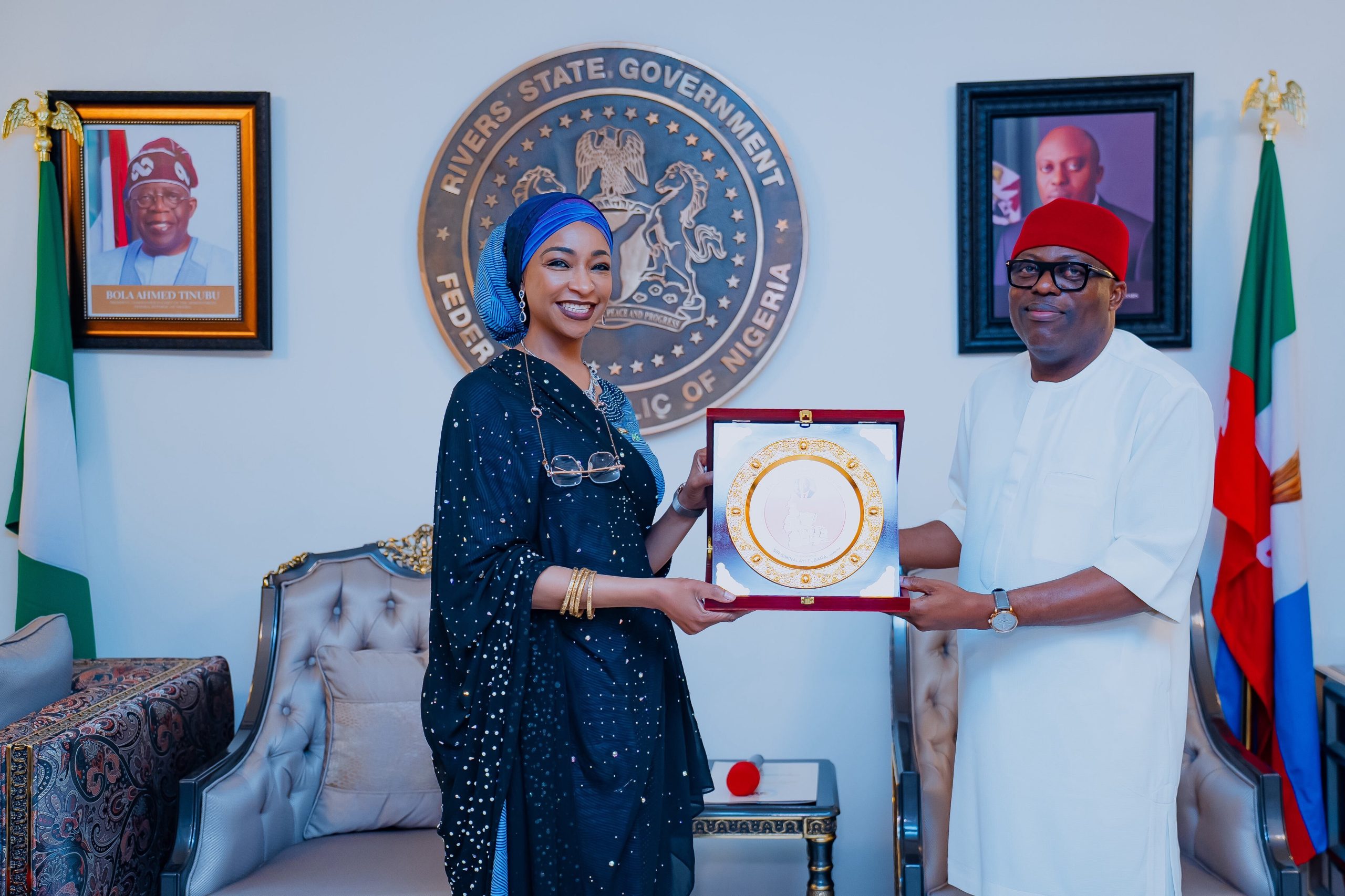
Rivers State bets on a new economic future, signing a Memorandum of Understanding with the federal government on Monday, July 27, 2026, at the Government House in Port Harcourt. This pivotal agreement signals a strategic shift, centering the state’s development on its rich cultural heritage.
This formal agreement sets in motion the “Renewed Hope Cultural Project,” a federal initiative designed to invigorate the creative economy and tourism sector within Rivers State and across Nigeria. It’s a move aimed squarely at diversifying the state’s economic backbone, creating jobs, and positioning Rivers as a significant cultural hub.
Port Harcourt inks deal for creative economy boost
The signing ceremony wasn’t merely bureaucratic; it signaled a strategic reorientation for Rivers State. For too long, the state’s economy has leaned heavily on the oil and gas sector, a reliance many acknowledge carries inherent volatility.
This MoU provides a concrete path forward, channelling investment and collaborative effort into the arts, culture, tourism, and broader creative industries. Governor Siminalayi Fubara, alongside Ishmael Tomonialadeokuma, Permanent Secretary at the Rivers State Ministry of Culture, emphasized their commitment to leveraging the state’s rich cultural assets.
The ‘Renewed Hope Cultural Project’ takes shape
At the core of this partnership is the “Renewed Hope Cultural Project,” an ambitious federal undertaking to expand Nigeria’s creative economy sector. Established in November 2023 under President Bola Ahmed Tinubu’s administration, the Federal Ministry of Art, Culture, Tourism, and Creative Economy (FMACCE) is spearheading this vision.
Minister Hannatu Musawa articulated her ministry’s objective: to foster stronger ties with sub-national governments. This ensures that the federal government’s broader ambitions for cultural and creative sector development are effectively implemented at the state level.
The project envisions Nigeria as Africa’s leading cultural and creative hub. For Rivers State, this means a focused drive to elevate its tourism appeal, from its vibrant festivals to its burgeoning arts scene, drawing both domestic and international visitors.
Nigeria’s enduring quest for economic diversification
Nigeria’s journey towards economic diversification is a long and complex one, a narrative that stretches back decades. Since the oil boom of the 1970s, successive governments have grappled with reducing the nation’s overwhelming dependence on crude oil exports.
This current push to bolster the creative economy in Rivers State, then, carries the weight of history. It echoes earlier national aspirations to unlock potential in sectors beyond oil, whether in agriculture, mining, or manufacturing.
Many of these past efforts, despite their initial promise, often faced significant hurdles. Inconsistent policy implementation, inadequate infrastructure, and a lack of sustained political will frequently hampered their long-term impact. The success of this new MoU will depend heavily on applying lessons learned from these historical challenges.
Overcoming historical challenges in new sectors
The challenge has always been to build a stable, supportive environment where new industries can truly thrive. This isn’t just about identifying a new sector but about creating the conditions for its sustained growth.
The “Renewed Hope Cultural Project” must navigate these familiar pitfalls with consistent funding, robust policy, and transparent governance. Only then can it truly succeed in establishing a vibrant, self-sustaining creative sector.
This project represents a crucial chance to prove that diversification can move beyond rhetoric. It demands a different approach, one that prioritizes long-term strategic investment over short-term gains, and genuine collaboration over top-down directives.
Rivers State: a cultural wellspring awaits investment
Rivers State, and its capital Port Harcourt, offers a rich cultural heritage, making it a compelling choice for this initiative. The city is a vibrant confluence of various ethnic groups, each contributing to a dynamic landscape of music, dance, visual arts, and traditional crafts.
Its strategic location as a coastal city also presents unique opportunities for marine tourism and cultural festivals that can attract significant audiences. The potential is undeniable; the task now is to effectively harness and amplify it through the MoU’s framework.
The state is known for its diverse festivals, which celebrate a range of traditions, from masquerades to fishing practices. If properly promoted and packaged, these events could become major tourist attractions, stimulating local economies and fostering entrepreneurial growth.
Investing in local talent and infrastructure
This collaboration aims to translate strategic investments into tangible benefits for local artists, performers, and hospitality providers. It’s about building a clear pipeline from raw talent to commercial success, ensuring that the economic gains are felt directly by communities.
This could involve funding for cultural centers, training programmes for artisans, or direct support for independent film and music producers. The development of a thriving creative sector requires building a sustainable industry with effective supply chains, distribution networks, and access to markets.
Such efforts include supporting local fashion designers, craftspeople, and culinary artists who embody the unique flavours of Rivers State. Their success can inspire others and create a ripple effect across the state’s economy, cementing its role in Nigeria’s cultural identity.
The path ahead for the ‘Renewed Hope Cultural Project’
While the MoU signing is a strong beginning, the real work lies in its implementation. Rivers State faces practical challenges, including transportation and the need for reliable power, both crucial for a flourishing tourism sector.
Security considerations, although addressed by state authorities, also remain a factor for potential investors and tourists. Overcoming these obstacles will require sustained commitment and effective coordination between federal and state entities, along with active engagement from local communities and private sector players.
Both Minister Musawa and Governor Fubara will face pressure to demonstrate concrete results in the coming years. Their ability to attract significant investment, create measurable job growth, and visibly boost tourism numbers will serve as key indicators of this project’s success.
After all, the “Renewed Hope Cultural Project” isn’t just a name; it’s an ambitious federal strategy to tap into Nigeria’s vast human and cultural capital. For Rivers State, it’s a chance to write its next economic chapter, moving beyond a single-resource dependency into a future powered by its people and its rich heritage.
This collaboration offers Nigeria yet another opportunity to prove that its prosperity isn’t solely tied to the ground beneath its feet. It lies, instead, in the vibrant spirit and ingenuity of its citizens.
The success of the Rivers creative economy will serve as a powerful blueprint for other states, illustrating how a nation can truly diversify and empower its people, not by decree alone, but through genuine partnership and a clear-eyed understanding of its own dynamic history.
