



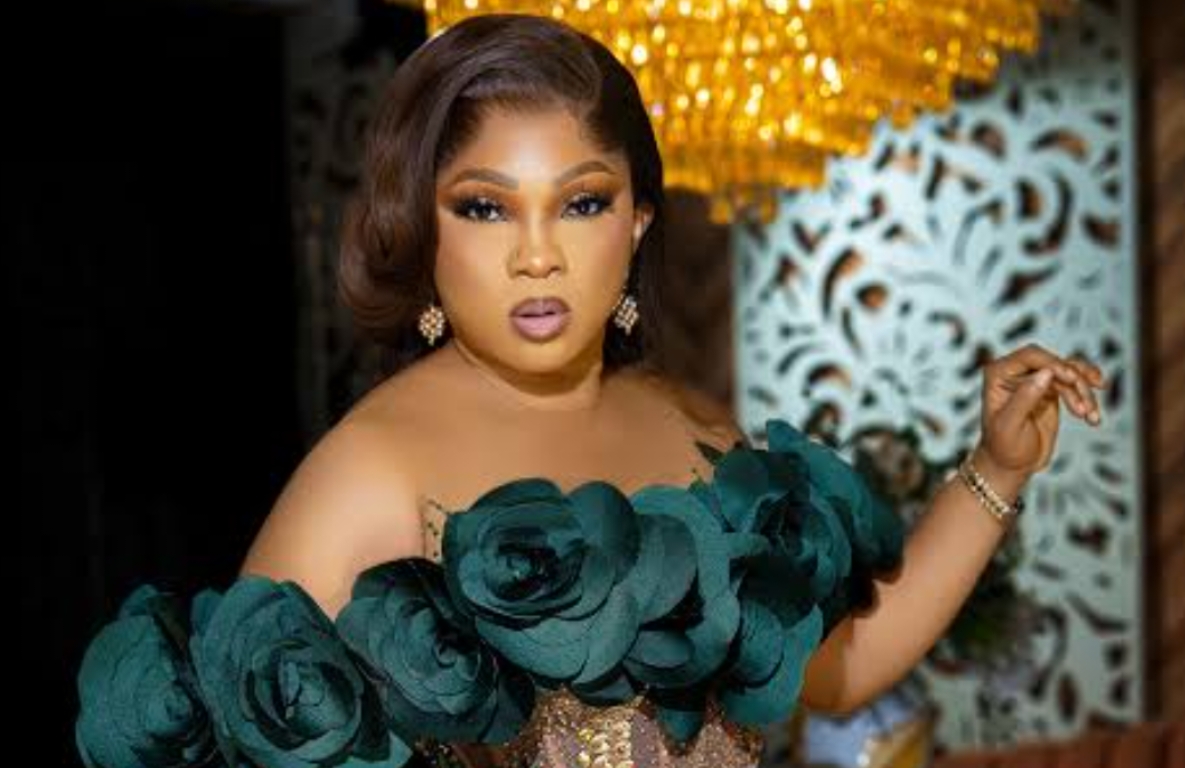
A chilling claim has shaken Nigeria’s film industry. Veteran Nollywood actress, producer, and director Regina Chukwu recently pulled back the curtain on a pervasive “sex-for-roles” culture allegedly dominating the English-language sector.
She revealed these startling demands for sexual favours in exchange for acting opportunities forced her to build her career in the Yoruba film industry instead. News of her allegations broke on July 24 and 25, 2026, stemming from an interview on Oyinmomo TV where Chukwu detailed exploitative auditions, including one at a Surulere hotel in Lagos.
Nollywood’s open secret: a system under scrutiny
Regina Chukwu didn’t mince words when describing her early encounters with the English film circuit. She vividly recalled an environment where securing a part was “strictly sex for role.” This stood in stark contrast to the meritocracy aspiring actors often dream of.
These demands, she claimed, weren’t subtle whispers from the shadows. Instead, they were an open expectation for newcomers hoping to break into the industry. She felt the English industry simply wasn’t accommodating, making these expectations overtly clear.
She recounted audacious propositions from the outset. Aspiring talents, she claimed, were expected to sleep with people “starting from their generator guys” just to get a foot in the door. The alleged methods also included “fake scripts to lure you into sexual intimacy.”
This paints a disturbing picture of calculated manipulation rather than genuine artistic assessment. These experiences, she told Oyinmomo TV, largely shaped her path away from the English sector of Nollywood.
Chukwu specifically pointed to auditions held at a hotel in Surulere, Lagos—reportedly Winnings Hotel—where she observed a scene that left her disillusioned. Even established figures, including the iconic Genevieve, were present at these same auditions, giving a sense of the industry’s broader landscape.
This firsthand account strips away any romantic notions of breaking into Nollywood, replacing them with a sobering reality for many hopefuls. It suggests a deeply entrenched system where talent can take a backseat to compromise, particularly in the English sector.
Echoes of past exploitation
The “sex-for-roles” narrative Regina Chukwu brings to light is hardly new ground for Nigeria’s sprawling film industry. For years, whispers and outright accusations of exploitation have shadowed Nollywood’s rapid ascent to global prominence.
These allegations speak to a recurring pattern of power imbalances in creative fields. It’s a dynamic not unique to Nigeria, but one that echoes across creative industries globally.
Back in July 2022, Diewait Ikpechukwu, a former President of the Actors’ Guild of Nigeria (AGN) Enugu branch, offered a different perspective on similar allegations. He suggested such claims were often a convenient excuse for actors who failed to secure roles.
He attributed this failure to a lack of talent or preparation, rather than exploitation. Ikpechukwu maintained he had never personally witnessed these practices, but he acknowledged they should cease if they did indeed exist within the industry.
His comments, while seemingly downplaying the issue, highlight the internal debates and conflicting narratives within Nollywood itself. It points to a challenging environment where victims of exploitation often face skepticism. Powerful figures might deny or deflect responsibility.
This creates an additional hurdle for those brave enough to speak out. It makes Chukwu’s allegations against the “sex-for-roles” culture even more significant for the wider industry.
The silent victims and unseen costs
The impact of a “sex-for-roles” culture extends far beyond denied screen time. It leaves deep psychological scars on individuals, eroding self-worth and trust within a collaborative industry.
Many aspiring actors, fresh with dreams of stardom, find themselves trapped in a demoralising cycle. Their talent becomes secondary to perceived compliance, often leading to deep personal costs.
These unseen costs contribute to a wider culture of silence. Fear of blacklisting or career ruin keeps many from speaking up, perpetuating the cycle.
It is a system that thrives on vulnerability, preying on those desperate for a breakthrough. Chukwu’s courage in naming her experience serves as a powerful disruption to this silence, risking personal and professional backlash.
Craft vs. compromise: Chukwu’s career path
Regina Chukwu’s personal journey through Nollywood offers a poignant illustration of this dilemma. Despite being ethnically Igbo, hailing from Enugu State, she grew up immersed in the culture of the Southwest.
This upbringing, she believes, allowed her to seamlessly integrate into the Yoruba film industry. She found this sector far more accommodating and professional than its English counterpart.
Her comfort in the Yoruba sector ultimately shaped her career trajectory. This led her to become a recognisable face in many of those productions.
However, this pivot came with its own set of challenges. Chukwu noted that her primary focus on Yoruba films has limited her recognition in other parts of Nigeria. This includes her home state of Enugu, where audiences are less familiar with her acting work.
Interestingly, Chukwu has also spoken openly about her stance on on-screen sex scenes in past interviews, dating back to 2015 and 2018. She has consistently maintained that she views such scenes as a part of her acting craft.
She asserts her professionalism in executing them. She even ensures behind-the-scenes footage is captured, particularly for her children, to clarify the theatrical nature of these moments, distinct from real-life exploitation.
This distinction is critical to understand her allegations. Chukwu’s comfort with legitimate, consensual artistic expression stands in stark contrast to her rejection of real-life, exploitative sexual demands.
It highlights the profound difference between an actor’s professional choices and the egregious pressure to trade personal integrity for opportunity. Her narrative proves there is a line that, for some, cannot be crossed, even in pursuit of a dream.
What’s next for Nollywood?
Regina Chukwu’s frank revelations demand more than just fleeting headlines. They necessitate a deeper introspection from the English Nollywood sector.
The industry, a powerful cultural force, now faces renewed pressure to address these persistent allegations head-on. Will her claims spark genuine reforms, or will they be met with familiar denials from those in power?
The Actors’ Guild of Nigeria (AGN) and other industry bodies bear a significant responsibility here. Their role extends beyond protecting established stars to safeguarding the welfare of aspiring talents.
Implementing transparent audition processes, establishing anonymous reporting mechanisms, and enforcing strict codes of conduct could be vital steps. These calls for greater accountability echo across various sectors of Nigerian public life, including political processes.
These allegations also resonate with broader conversations about power and ethical leadership within Nigerian institutions. The reluctance to confront systemic issues can permeate various sectors. This is often to the detriment of those with less influence.
Chukwu’s voice adds to a growing chorus demanding greater integrity across the board. It demonstrates that cultural industries, like any other, often reflect the wider society they operate within.
The onus now falls on producers, directors, and casting agents in the English sector to actively dismantle any existing culture of exploitation. Ignoring these claims would not only tarnish the industry’s reputation.
It would also perpetuate a cycle that stifles genuine talent and harms countless individuals. The future of English Nollywood may well depend on its willingness to listen, investigate, and implement meaningful change. This is a critical moment for the industry’s integrity.
Regina Chukwu’s story isn’t just about a career choice; it’s about the enduring fight against deeply entrenched power structures that demand personal sacrifice for professional gain. It’s a stark reminder that the battle for dignity and fair play within Nigeria’s creative industries, much like many other spheres of life, remains an ongoing struggle for many.
