



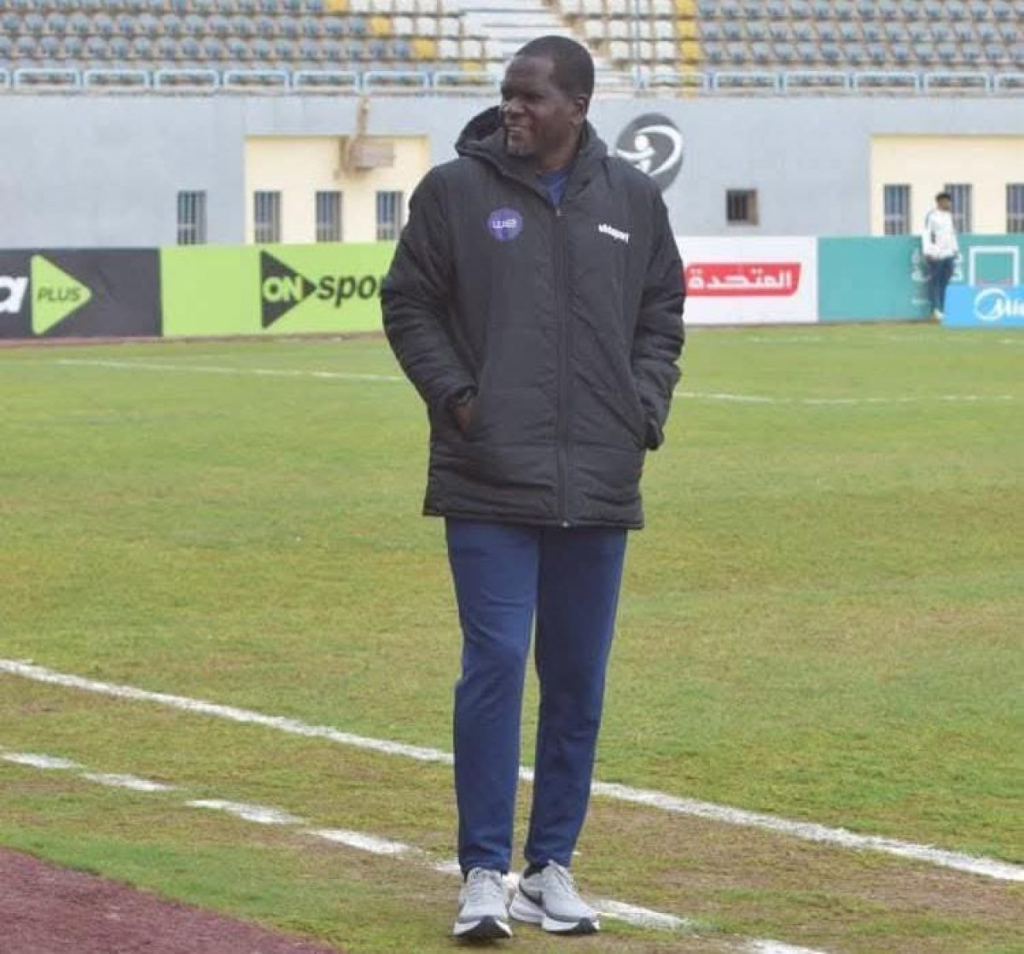
Whispers are circulating in African football circles about a former Flying Eagles coach taking the reins at Sudan’s Al Ahli Madani.
This absence of verifiable information prompts a closer look at the actual statuses of the coaches who have shaped Nigeria’s national under-20 football team, known as the Flying Eagles. Their careers continue to unfold, often in significant roles both within and outside Nigeria, making a clear record essential.
The confirmed paths of Nigeria’s coaching talents
While the Al Ahli Madani story remains unconfirmed, several former head coaches of the Nigerian national under-20 football team, the Flying Eagles, are actively engaged in new and established roles. Their journeys highlight the rich tapestry of Nigerian football expertise that continues to contribute across the continent.
Understanding their verified movements provides a clear counterpoint to the unverified reports. It also shows the consistent demand for Nigerian tactical minds in various footballing environments.
Ladan Bosso’s ongoing leadership at Bayelsa United
Ladan Bosso, a familiar face in Nigerian youth football, currently serves as the head coach of Bayelsa United, a role he’s held since 2024. Before this club appointment, Bosso had a significant stint with the Flying Eagles, guiding the Nigeria national under-20 football team from September 2020 to September 2024.
His tenure with the Flying Eagles saw the team reach the quarter-final stage of the 2007 FIFA U-20 World Cup, a notable achievement on the global stage. He also led them to compete in the 2023 U-20 Africa Cup of Nations, further cementing his reputation for developing young Nigerian talent.
Paul Aigbogun’s strategic role at Sporting Lagos FC
Paul Aigbogun, another coach with deep ties to the Flying Eagles, is now contributing to Nigerian club football as the Technical Director at Sporting Lagos FC. He took on this strategic position in November 2023, bringing his extensive experience to the club’s long-term development.
Aigbogun previously served as the head coach for Nigeria’s U20 national team from 2019 to 2020. During that period, he managed nine matches, maintaining a points-per-match rate of 1.22, and also contributed as an assistant coach for the Flying Eagles under a different head coach, showing his versatile involvement.
Veteran coaches and new challenges
The careers of Nigerian coaches often involve diverse experiences, from national youth teams to club management both domestically and internationally. Their movements are closely watched as indicators of Nigerian football’s influence and the individual coaches’ standing.
These experienced individuals carry a wealth of knowledge gleaned from years of working with promising young players and navigating the pressures of competitive football. Their ongoing contributions are vital to the sport’s evolution.
John Obuh’s last known club role
John Obuh, an respected figure in Nigerian coaching, last held a position as coach of Akwa United F.C., from which he resigned on December 16, 2019. Before his club engagement, Obuh managed the Nigerian under-20 team, stepping down from that role on July 20, 2013.
He also famously led Nigeria’s under-17 national team, the Golden Eaglets, to a runners-up finish at the 2009 FIFA U-17 World Cup. His journey reflects a long-standing commitment to nurturing talent from the grassroots upwards.
Manu Garba’s return to the Golden Eaglets
Manu Garba stands as a testament to enduring success in youth football, having been reappointed for a fourth time as the head coach of the Nigeria national under-17 football team, the Golden Eaglets, as of July 26, 2025. His connection to the national youth setup is undeniable.
Garba’s most celebrated achievement was leading the Golden Eaglets to victory at the FIFA U-17 World Cup in 2013, a moment etched into Nigerian football history. Such repeated appointments underscore his consistent ability to identify and develop exceptional young footballers.
The enduring impact of the Flying Eagles
The Nigerian men’s national under-20 football team, the Flying Eagles, remains a cornerstone of youth development. Established in 1983, this team serves as a critical pathway for young Nigerian footballers seeking international experience and a springboard to the senior national team, the Super Eagles.
The Flying Eagles have historically been Africa’s most successful team in the U-20 category, boasting seven Africa U-20 Cup of Nations titles in 1980, 1985, 1987, 1989, 2005, 2011, and 2015. They’ve also finished as runners-up on two occasions, underscoring their consistent performance and talent pipeline.
This pedigree ensures that coaches associated with the Flying Eagles often gain significant visibility and experience. Their tenures are critical, shaping both individual careers and the future of Nigerian football as a whole.
Nigerian coaches’ journeys across Africa
The movement of Nigerian coaching talent across the African continent is a narrative deeply woven into the fabric of regional football. Coaches like Bosso, Aigbogun, Obuh, and Garba exemplify a broader trend where Nigerian tactical acumen is highly sought after.
While reports of specific appointments can emerge, it’s the verified paths that truly tell the story of influence and contribution. This export of expertise reflects Nigeria’s long-standing football heritage and its capacity to produce skilled leaders for the game beyond its borders.
These journeys are more than just career moves; they’re a reflection of a wider African footballing identity. The exchange of knowledge and experience enriches leagues and develops players across different nations, strengthening the sport at its foundations. Much like the Culture Mile initiative reimagines ancient traditions, Nigerian coaches are continually reshaping football narratives.
Verifying the facts in a dynamic landscape
In a football world constantly buzzing with transfer rumors and coaching changes, the need for verifiable information becomes paramount. Reports of major appointments demand diligent confirmation, especially when they involve prominent figures in African football.
The current unconfirmed status regarding Al Ahli Madani serves as a reminder that not every rumour holds true. For fans and stakeholders, relying on confirmed sources ensures an accurate understanding of the ever-shifting coaching landscape.
This dedication to factual accuracy is crucial, mirroring the scrutiny applied to other sectors, such as DHL Group’s financial projections. In sports, as in business, credible information guides expectations and decisions.
The true story of Nigerian coaches making their mark across Africa isn’t about unverified headlines. It’s about the tangible contributions of figures like Ladan Bosso and Manu Garba, whose verifiable careers continue to shape football’s present and future on the continent, much like historical figures continue to influence today.
