



The final whistle blew, echoing through the Moroccan stadium, and a wave of disappointment washed over Nigerian fans. On Tuesday, July 28, 2026, the Super Falcons, Nigeria’s revered women’s national football team, suffered an unexpected 2-3 defeat to Malawi in their opening Group C match of the 2026 Women’s Africa Cup of Nations (WAFCON).
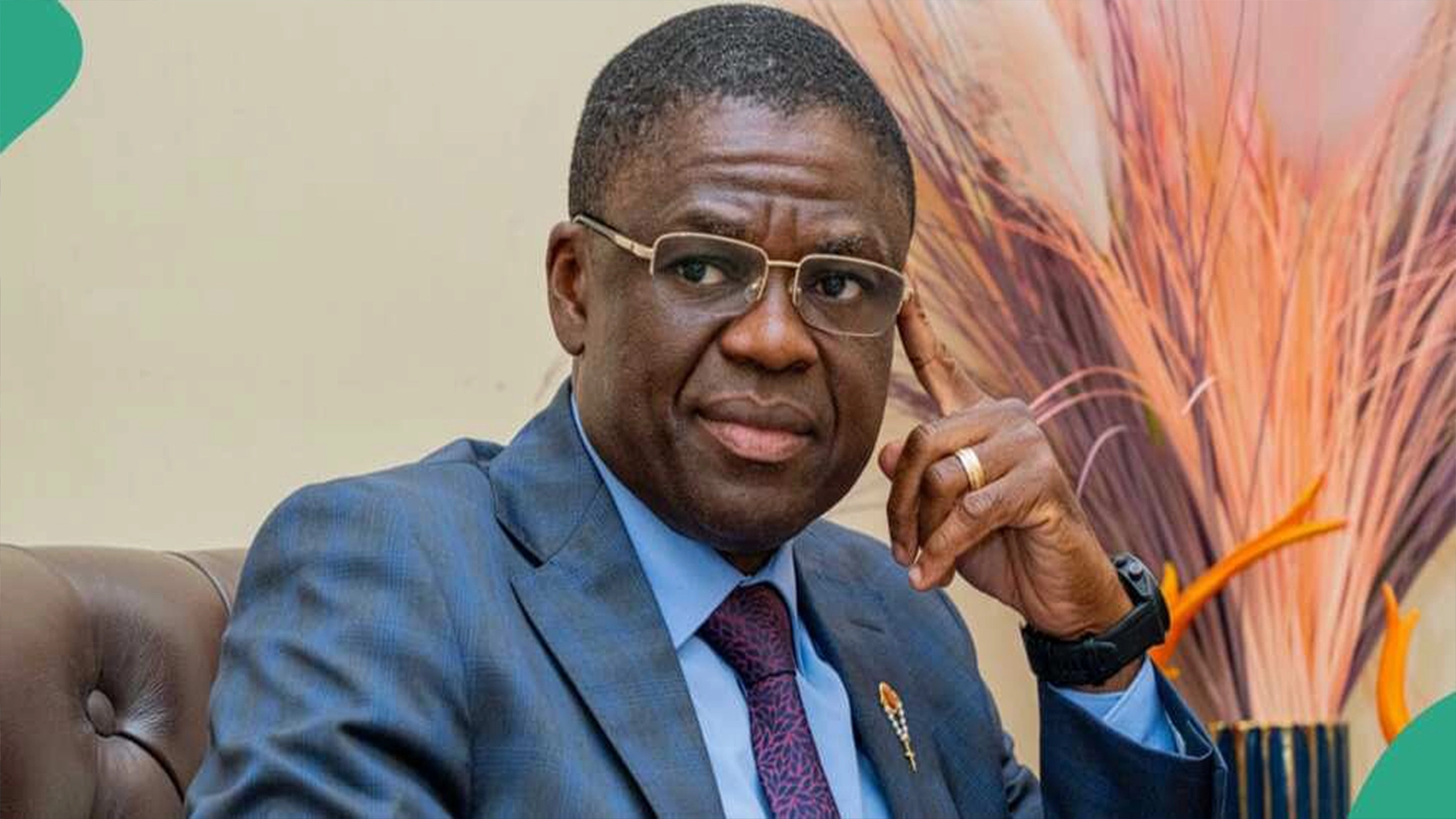
But before the sting of loss could fully settle, Comrade Philip Shaibu, the Director General and Chief Executive Officer of the National Institute for Sports (NIS), stepped forward. He delivered a powerful message of unwavering national support, urging the team to shake off the setback and reclaim their champion spirit.
Shaibu’s Call for Resilience Amidst WAFCON Challenges
Shaibu’s intervention came just hours after the Super Falcons‘ initial stumble in a tournament they’ve historically dominated. He emphasized that the nation, from President Bola Ahmed Tinubu downwards, stood firmly behind its team.
The NIS Director General framed the loss not as a defeat, but as a “temporary setback,” a moment to reveal true character. He wants the players to remember that champions aren’t defined by falling, but by how they rise and respond.
His words are a clear attempt to inject morale into a squad facing intense pressure as defending champions. The 2026 WAFCON, hosted by Morocco, marks the first time 16 nations are competing for the coveted title.
This tournament also serves as Africa’s crucial qualifying competition for the 2027 FIFA Women’s World Cup in Brazil. Only the semi-finalists will automatically secure one of the continent’s four coveted places.
A Look at the Super Falcons’ Illustrious History
The Super Falcons aren’t just any team; they are the undisputed queens of African women’s football. Under the control of the Nigeria Football Federation (NFF), they boast an unparalleled record.
They have clinched the WAFCON title a remarkable 10 times, a testament to their enduring dominance. Their victories span decades, including triumphs in 1998, 2000, 2002, 2004, 2006, 2010, 2014, 2016, 2018, and most recently, in 2024.
The team’s most recent WAFCON triumph in July 2025 was particularly memorable, a dramatic 3-2 comeback victory against host nation Morocco in the final. This historical achievement fuels the current expectations.
Beyond Africa, the Super Falcons have also carved out a respectable presence on the global stage. At the 2023 FIFA Women’s World Cup, they finished 10th out of 32 teams.
They advanced to the Round of 16 after drawing with Olympic champions Canada, securing a thrilling 3-2 victory against co-host Australia, and drawing with the Republic of Ireland. Their journey ended with a tight 4-2 penalty shootout loss to England, following a goalless draw.
The team also made a significant return to the Olympic stage, qualifying for the Paris 2024 Olympics after a 16-year absence. They secured their spot by defeating South Africa 1-0 on aggregate, marking their first appearance since the Beijing 2008 Games.
Comrade Shaibu: From Political Battles to Sports Leadership
Comrade Philip Shaibu brings a unique perspective to his role as DG/CEO of the National Institute for Sports. His own career has been marked by significant challenges and comebacks, mirroring the very resilience he now preaches to the Falcons.
President Bola Ahmed Tinubu appointed Shaibu to lead the NIS on May 24, 2025. The NIS, established in 1974, plays a critical role in developing sports talent and expertise across Nigeria.
Shaibu’s appointment followed a turbulent period in his political life. He served as the Deputy Governor of Edo State from 2016 until his impeachment in April 2024, a move that sparked considerable controversy.
Just months later, on July 17, 2024, a Federal High Court in Abuja reinstated him. The court ruled his impeachment unconstitutional and ordered the payment of his withheld salaries and allowances.
His political journey has been one of consistent engagement and evolution. Before becoming Deputy Governor, he represented Etsako in the Federal House of Representatives from 2015 to 2016.
Even earlier, from 2007 to 2015, he was a member of the Edo State House of Assembly, where he rose to the position of majority leader. This deep political background informs his understanding of public sentiment and pressure.
Born on December 1, 1969, Shaibu is an accountant by profession, holding degrees from the University of Jos and the University of Benin. He is also a former footballer, having played for Bendel Insurance FC, which gives him an innate connection to the athletes he now oversees.
The Historical Echoes of National Sporting Disappointment
Nigeria has a storied history of passionate engagement with its sports teams, often marked by dramatic highs and devastating lows. The Super Falcons’ recent loss, while painful, isn’t an isolated incident.
Across various sports, Nigerian teams and athletes have faced initial setbacks in major tournaments, only to rally and achieve greatness. This resilience has become a hallmark of the nation’s sporting identity.
Consider the national outcry and subsequent triumph in events like the 1996 Atlanta Olympics football gold, or the Super Eagles’ various Africa Cup of Nations campaigns. Moments of doubt frequently precede moments of glory.
Shaibu’s message taps into this deep-seated national memory, reminding the team of the unwavering support that has historically propelled Nigerian athletes forward. It’s a belief that talent, coupled with determination, can overcome any initial hurdle.
The National Institute for Sports, under Shaibu’s leadership, aims to institutionalize this spirit of excellence and resilience. By supporting teams like the Super Falcons, they hope to foster a new generation of champions.
This kind of public assurance from a high-ranking sports official is more than just words; it’s a psychological boost. It signals to the players that their country still believes in their ability to perform.
It also reminds them that their performance carries the weight of national pride, a powerful motivator for any athlete. The increased WAFCON prize money, now $2 million for the winner from a total pool of $5.8 million, also adds another layer of incentive.
Looking Ahead: The Path to Redemption and Glory
The Super Falcons now face a critical period in the WAFCON tournament. Their opening loss means there’s no room for complacency in their upcoming Group C matches.
Each game becomes a must-win scenario if they are to advance to the knockout stages and defend their title. The pressure will be immense, but so too will be the national expectation.
Shaibu’s rallying cry serves as a crucial reminder of what’s at stake and the enduring legacy they represent. The team will need to draw on their vast experience and collective strength.
The journey through WAFCON is rarely straightforward, even for dominant teams. Obstacles and setbacks are part of the process, and how a team responds often defines its ultimate success. The Super Falcons’ celebrated history is full of such stories.
For many Nigerians, this moment echoes countless others where adversity has been met with a unified front of support and resolve. The expectation is that the Falcons will channel this national encouragement into on-field performance.
President Bola Ahmed Tinubu himself is “eagerly looking forward to welcoming the team back home with the championship trophy,” a sentiment that reinforces the national belief. His “unwavering support” has been a consistent theme.
The true test of a champion lies not in avoiding falls, but in the unwavering will to stand back up, stronger. That lesson, forged in battles long past and fresh in the public consciousness, is what the Super Falcons carry onto the pitch today.
